Pork Tongue Nutrition: Is Pork Tongue Healthy?
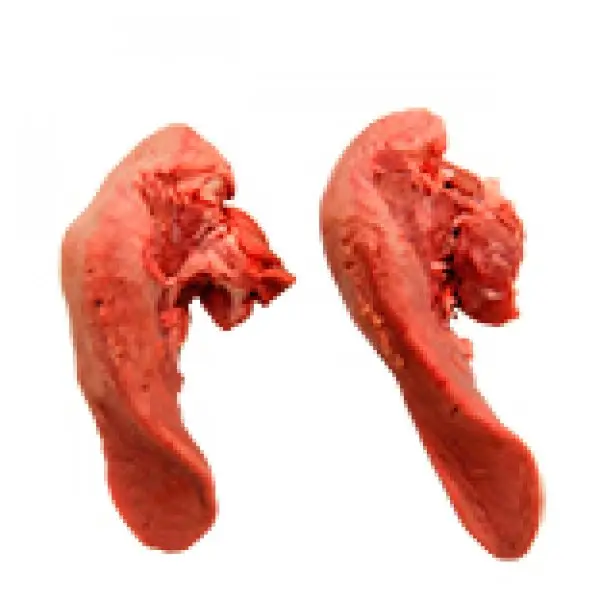
Pork tongue is often considered a specialty or traditional cut, but it is also a nutrient-dense meat with several health benefits. Used in cuisines around the world, pork tongue provides a rich source of protein, essential vitamins, and minerals that support overall health.
Understanding pork tongue nutrition helps both consumers and food professionals appreciate its value beyond flavor.
Protein Content in Pork Tongue
Pork tongue is a high-protein meat, making it suitable for muscle maintenance and energy needs. Protein plays a key role in:
- Muscle repair and growth
- Immune system function
- Hormone and enzyme production
Compared to many other pork cuts, pork tongue offers a satisfying balance of protein and fat, making it ideal for hearty meals.
Vitamins and Minerals in Pork Tongue
Pork tongue is especially rich in several essential nutrients:
- Vitamin B12 – Supports nerve function and red blood cell formation
- Zinc – Important for immune health and wound healing
- Iron – Helps transport oxygen in the blood
- Choline – Supports brain and liver function
These nutrients make pork tongue a valuable option in balanced diets when consumed in moderation.
Collagen and Energy Value
One of the defining characteristics of pork tongue is its high collagen content. Collagen contributes to:
- The tender, silky texture after slow cooking
- Joint and skin health support
- Satiating, energy-dense meals
Because pork tongue is naturally higher in fat, it provides sustained energy and is commonly used in traditional comfort foods.
Is Pork Tongue Healthy?
Pork tongue can be part of a healthy diet when:
- Prepared using slow cooking methods
- Paired with vegetables and whole foods
- Consumed in reasonable portions
Its nutritional profile makes it popular in traditional diets and modern nose-to-tail cooking.
👉 For foodservice buyers and distributors, high-quality sourcing matters.
Explore our premium pork tongues to ensure consistent quality and safety for commercial use.