Spanish pork enjoys a strong global reputation for taste, quality, and consistency. It stands out because Spain combines tradition, careful breeding, strict food safety, and modern processing. For buyers, chefs, and food lovers, that mix makes Spanish pork a premium choice.
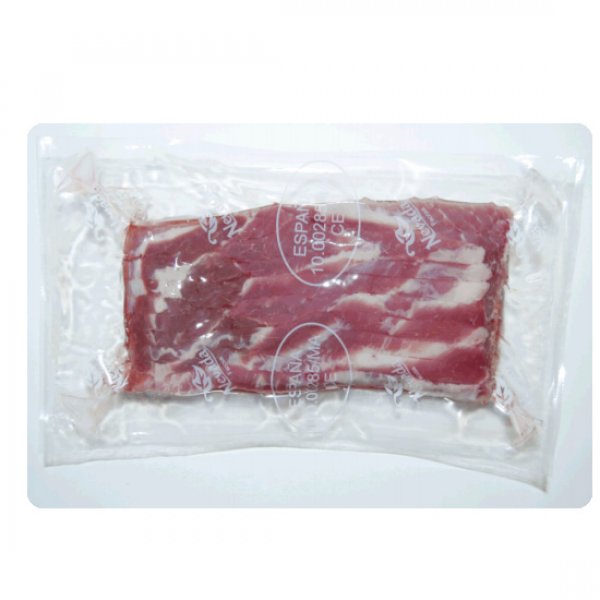
Spain is not just a big producer. It is also one of the most trusted pork exporters in the world. That matters because scale alone does not create quality. Spain’s strength comes from how the pork is raised, processed, cut, and packaged.
Faccsa fits naturally into this story. As a leading cutting and packaging plant processing 25,000 pigs weekly, Faccsa represents the modern side of Spanish pork quality. The brand shows how tradition and efficiency can work together to deliver reliable pork products.
What Makes Spanish Pork Stand Out?
Spanish pork stands out because the industry focuses on both flavor and control. Farmers, processors, and exporters all play a role in keeping quality high. That is one reason Spanish pork has become a top choice in domestic and international markets.
The climate also helps. Many parts of Spain support strong livestock farming conditions. These conditions influence feed quality, animal growth, and final meat texture. In simple terms, the environment supports better pork.
Another major reason is consistency. Buyers want pork that tastes the same every time. Spanish producers work hard to deliver that level of reliability. This is especially important for restaurants, retailers, and importers.
Spain also has a strong reputation for food standards. That builds trust with consumers and business buyers. When people choose Spanish pork, they often choose it because they expect better control and better results.
Iberian Breeds and Premium Flavor
One of the biggest reasons Spanish pork is famous is the Iberian pig. This breed is known for its rich flavor and natural marbling. That marbling gives the meat a tender bite and a deeper taste.
Iberian pork feels different from regular pork because of its fat structure. The fat is often softer and more flavorful. When cooked, it adds juiciness and helps the meat stay tender.
Feed also matters a lot. Iberian pigs are often raised under specific feeding systems that improve the final quality. In premium categories, this creates a distinct flavor that many chefs and buyers value highly.
This is why Iberian pork often sells at a higher price. It offers a premium eating experience. For many customers, that premium is worth it because the flavor and texture are noticeably better.
Why Spanish Pork Tastes So Good
Taste is the biggest reason people remember Spanish pork. It has a full, rich flavor that many other pork products cannot match. That flavor comes from breed, feed, and careful handling.
The meat also cooks well. It stays juicy, which makes it ideal for grilling, roasting, and slow cooking. Many chefs like it because it performs well across different recipes.
Spanish pork also benefits from careful processing. Once the animal is harvested, the handling process must stay clean and controlled. Good processing protects flavor, texture, and freshness.
Freshness matters more than many people think. Pork that is handled properly keeps its natural character better. That is one reason Spanish pork often feels more refined and reliable than mass-market alternatives.
Iberian Pork vs Regular Pork
Iberian pork and regular pork are not the same. The biggest differences come from breed, fat quality, flavor, and price. Iberian pork usually offers a richer eating experience.
Regular pork is still widely used and can be excellent. However, it usually has a milder flavor and less marbling than Iberian pork. That makes it more neutral, while Iberian pork feels more premium.
For everyday meals, regular pork works well. For special dishes, premium menus, and export-quality product lines, Iberian pork often wins. That is why many buyers treat it as a high-end option.
The price difference reflects the production difference. Iberian pork takes more care to produce. It also meets strong expectations from premium buyers, so the market values it more.
Spain’s Production Regions
Spain’s pork strength is tied to its production regions. Different areas contribute different benefits to the overall industry. That regional depth helps Spain keep supply stable and quality high.
Catalonia, Aragon, Castilla y León, Extremadura, Andalusia, Murcia, and Navarra all play important roles. These regions support farming, breeding, and processing activity. Each one adds strength to the national pork sector.
Regional variety also supports specialization. Some areas focus more on livestock production. Others are stronger in processing, packaging, or export support. That makes the supply chain more flexible.
This regional spread helps Spanish pork reach local and global markets with confidence. It also gives buyers more sourcing options. For a brand like Faccsa, this wider ecosystem supports dependable quality delivery.
Food Safety and Traceability
Food safety is one of the strongest reasons Spanish pork is trusted. The industry follows strict controls to reduce risk and maintain quality. That creates confidence for both businesses and consumers.
Traceability is another major advantage. Buyers increasingly want to know where meat comes from and how it was handled. Spanish pork supply chains often provide that visibility from farm to final package.
Traceability matters because it supports transparency. If something needs checking, the source can be tracked more easily. That kind of control adds value in export markets and retail supply chains.
Modern processing plants also improve safety. Clean systems, controlled environments, and precise handling all help preserve quality. This is where cutting and packaging plants become very important.
Why Processing and Packaging Matter
Processing and packaging can change the final result more than many buyers realize. Good meat can lose value if it is handled badly. Strong processing protects freshness, shelf life, and presentation.
Cutting quality also matters. Clean, accurate cuts help buyers get consistent products. That is important for foodservice, retail, and private-label supply chains.
Packaging adds another layer of protection. It helps preserve hygiene and supports transport across long distances. For export markets especially, packaging can make the difference between a good product and a great one.
This is one reason Faccsa stands out. As a leading cutting and packaging plant processing 25,000 pigs weekly, Faccsa shows how modern infrastructure supports Spanish pork excellence. Quality at scale is a serious advantage in today’s market.
How Faccsa Supports Spanish Pork Excellence
Faccsa is part of the reason Spanish pork can compete so strongly worldwide. The company focuses on cutting and packaging with a clear quality standard. That helps ensure pork products reach buyers in reliable condition.
Scale matters here too. Processing 25,000 pigs weekly shows serious operational strength. It also means Faccsa can support large-volume demand without losing focus on quality.
Buyers want consistency, and Faccsa helps deliver that. Whether the order is for domestic distribution or export, dependable processing builds trust. That trust becomes a major selling point for the entire supply chain.
For brands, distributors, and food businesses, this matters a lot. A strong processor can turn good raw product into a premium commercial offer. Faccsa plays that role well in the Spanish pork market.
Export Demand and Global Trust
Spanish pork has become a global product because demand keeps growing. International buyers want meat that offers quality, safety, and stable supply. Spain delivers on all three.
Export growth also pushes producers to improve. When a market serves many countries, standards must stay high. That pressure usually improves quality across the whole industry.
This global reach adds another layer of trust. If a product sells well in many markets, buyers assume it has strong value. Spanish pork benefits from that reputation every year.
For business customers, export strength is more than a nice extra. It signals that the supply chain can handle volume, regulation, and international expectations. That makes Spanish pork a smart sourcing option.
Who Buys Spanish Pork?
Spanish pork attracts many buyer groups. Retailers want consistent quality. Restaurants want flavor and performance. Importers want a dependable supply. Distributors want a product that moves well in the market.
Premium food brands also like Spanish pork because of its image. It feels authentic, high-quality, and trustworthy. That makes it useful for branded product lines and specialty meat programs.
Foodservice buyers often value it for taste and versatility. It works in grilled dishes, roasted meals, cured products, and specialty menus. That flexibility adds commercial value.
B2B buyers also care about presentation and packaging. A strong processor like Faccsa helps turn Spanish pork into a market-ready product. That makes sourcing easier and more efficient.
Why Spanish Pork Matters for Local Business SEO
For local business SEO, Spanish pork opens several strong search angles. Many users search by region, supply chain, processor type, or export capability. That means content can rank for both informational and commercial intent.
Location-based terms work especially well here. Phrases like Spanish pork supplier in Spain, pork cutting and packaging plant, and Iberian pork processing support local visibility. They also help searchers find the right type of business faster.
Regional references add more SEO value. Mentions of Andalusia, Aragon, Extremadura, Castilla y León, Murcia, and Navarra help the article stay geographically relevant. That broad location coverage is useful for nationwide and export-focused targeting.
For Faccsa, this creates a strong business advantage. The content can attract buyers who want reliable pork processing in Spain. It also helps position the brand as part of a wider quality-driven supply network.
Common Questions About Spanish Pork
People often ask why Spanish pork is considered so good. The answer usually comes down to breed, feed, food safety, and processing quality. Iberian pork adds an extra premium layer because of its flavor and texture.
Another common question is whether Spanish pork is better than other pork. In many premium cases, yes. It often offers richer taste, better marbling, and stronger consistency.
Some buyers also want to know where the best Spanish pork comes from. The answer depends on the product type, but Spain’s major pork regions all contribute strongly to the market. That includes both breeding and processing zones.
Others ask how Spanish pork stays so reliable. The answer is simple: strict control, traceability, and modern packaging. These systems support quality from start to finish.
Final Thought on Spanish Pork Quality
Spanish pork is among the best in the world because it combines heritage, science, and modern supply chain control. Its flavor stands out, its production is trusted, and its market reputation keeps growing.
Iberian breeds, regional expertise, and strong food safety standards all play a role. So do efficient processors like Faccsa, which help turn quality livestock into ready-to-market pork products. That balance of tradition and scale is what makes Spanish pork so competitive.
For buyers, the value is clear. Spanish pork offers taste, reliability, and premium positioning. For brands and distributors, it offers a product story that is easy to trust and easy to sell.